Altitude Sickness on Pakistan Treks: How to Prevent It and Stay Safe

Pakistan Locals Team
5 August 2026 · 4 min read
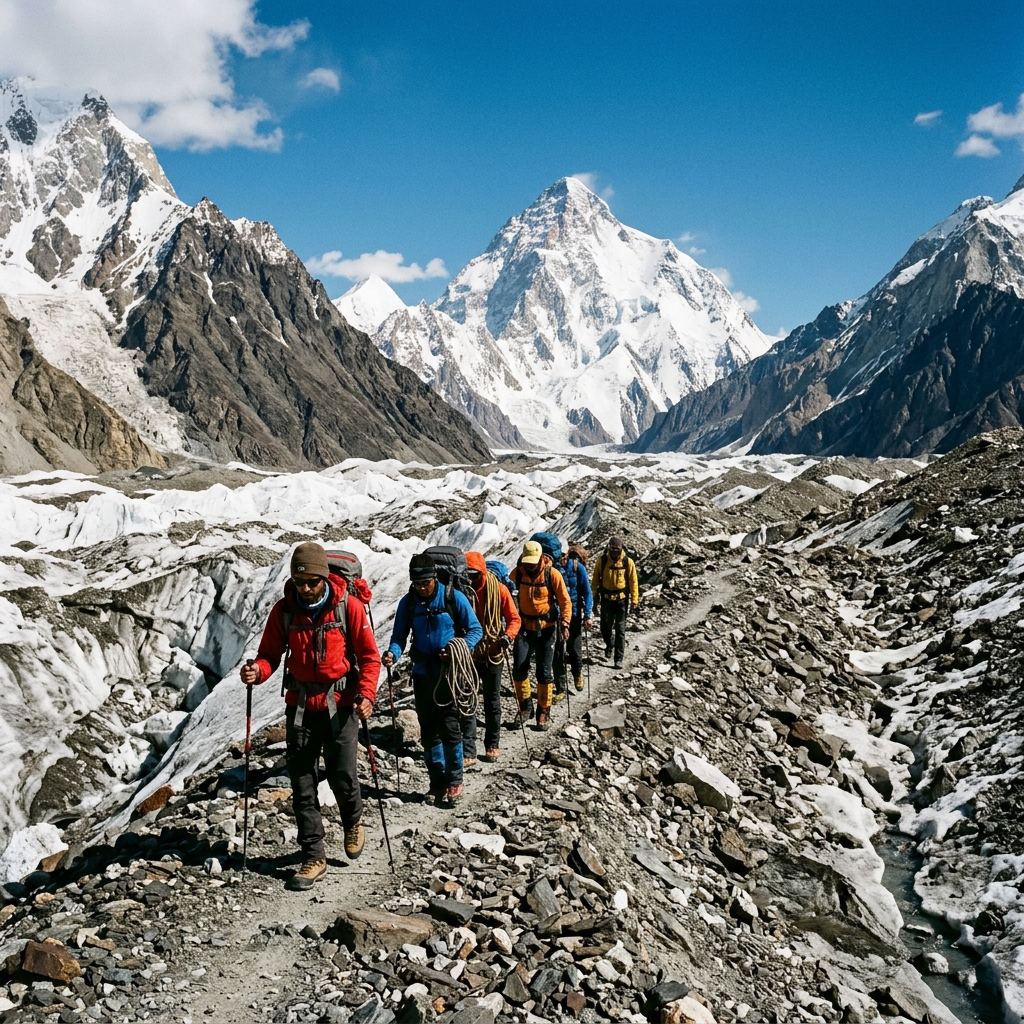
At a glance
- Location
- Northern Pakistan
- Region
- Gilgit-Baltistan
- Best time
- June to September
- Altitude
- risk begins around 2,500 to 3,000 m and rises with height
Here is something every trekker in Pakistan needs to understand, because it saves lives. On the high trails, the biggest danger is not the distance, the cold, or the steep ground. It is altitude sickness. And it does not care how young, fit, or experienced you are. The good news is that it is largely preventable if you follow a few simple rules. This is the honest, clear guide.
Note: this is general travel information, not medical advice. If you have a heart or lung condition, or any doubt, talk to a doctor before a high trek.
What altitude sickness is
As you climb, the air has less oxygen. Your body needs time to adjust. If you go up too high, too fast, it cannot keep up, and you get Acute Mountain Sickness, or AMS. In Pakistan, the risk begins around 2,500 to 3,000 metres and grows as you go higher. On treks to places like Deosai, Fairy Meadows Base Camp, Rush Lake, or K2 Base Camp, this is a real and constant thing to manage.
The warning signs
Mild AMS feels a bit like a hangover. Learn these signs and take them seriously:
- Headache
- Feeling sick or loss of appetite
- Tiredness and weakness beyond normal
- Dizziness
- Trouble sleeping
These are your body telling you to slow down or stop climbing. They are common and usually manageable. But if ignored, AMS can become severe and dangerous, with confusion, loss of balance, or breathlessness at rest. Those are emergencies. Go down immediately and get help.
How to prevent it
Prevention is simple, and it works:
- Go up slowly. This is the number one rule. Do not gain height too fast, especially where you sleep.
- Climb high, sleep low. It is fine to walk high during the day, but sleep at a lower altitude when you can.
- Take rest and acclimatisation days on longer treks. Your body needs them.
- Drink lots of water and avoid alcohol and smoking.
- Do not push through bad symptoms. Ego is dangerous up high.
A simple acclimatisation example
Before a high trip like Deosai (4,100 m) or a Base Camp trek, spend a night or two at a middle height first, for example in Skardu (2,230 m) or Hunza. Let your body adjust before you go higher. On multi-day treks, a good itinerary builds in rest days on purpose. If your plan rushes straight up, it is a bad plan. This is why a knowledgeable guide matters so much.
What to do if it hits
- Stop going up. Do not climb higher until you feel better.
- Rest, drink water, and give it time. Mild symptoms often ease with a rest day at the same height.
- If symptoms get worse, go down. Descending even a few hundred metres is the most effective cure.
- For severe symptoms (confusion, breathlessness at rest, loss of balance), descend at once and seek medical help. This is not the time to wait.
Why a local guide is a safety tool
A good local guide watches for AMS in the group, sets a safe pace, plans proper acclimatisation, and knows when and where to descend. On the high treks, this is not a luxury, it is a safety measure. On Pakistan Locals, guides are verified locals with real mountain experience, and hiring one is one of the smartest safety decisions you can make.
The honest truth
Altitude sickness is common, and mild cases are normal and manageable. But it must be respected, because ignoring it turns a great trek into a genuine emergency. Go up slowly, drink water, listen to your body, and never be too proud to turn back. Follow those rules and the high mountains of Pakistan are yours to enjoy, safely.
Trek safely with an experienced local. Browse guided treks led by verified guides, or read our best treks guide and gear checklist.
Written and fact-checked by the Pakistan Locals editorial team, with local hosts and guides who guide high altitude treks. Last updated August 2026. Altitude affects everyone differently and can be serious, so treat this as general guidance, not medical advice, and see a doctor before a high trek.
Sources and further reading
Ready to explore Pakistan with local hosts? Browse trips and experiences on Pakistan Locals, and if you live in the area you can list your own experience or stay. Read our best treks in Pakistan and our trekking gear checklist next.
Questions people ask
At what altitude does altitude sickness start?+
Symptoms can begin from around 2,500 m and become more likely above 3,000 m. Many northern Pakistan treks cross 4,000 m, so plan to acclimatise.
What are the symptoms of altitude sickness?+
Headache, nausea, dizziness, tiredness and poor sleep are common. Severe signs like confusion, breathlessness at rest or a persistent cough mean you must descend.
How do you prevent altitude sickness on a trek?+
Ascend slowly, take rest days, keep well hydrated, avoid alcohol and climb high but sleep low. Descend if symptoms get worse.
Should I take medication for altitude?+
Some trekkers use acetazolamide on medical advice. Talk to a doctor before your trip, as this is not a substitute for sensible acclimatisation.
Pakistan Locals Team
The Pakistan Locals editorial team writes practical, on-the-ground travel guides to Pakistan, researched and fact-checked in consultation with our network of local hosts and guides.