Balochistan Travel Guide 2026: The Makran Coast, Hingol and How to Visit

Pakistan Locals Team
9 August 2026 · 9 min read
At a glance
- Location
- Balochistan
- Region
- Balochistan
- Best time
- October to March for the Makran coast and Astola Island, April to October for Quetta and Ziarat
- Duration
- 2 to 3 days for the coast, up to 5 to 6 days with Gwadar
- Altitude
- Sea level on the Makran coast, around 1,680 m at Quetta and 2,543 m at Ziarat
- Permits/NOC
- Required
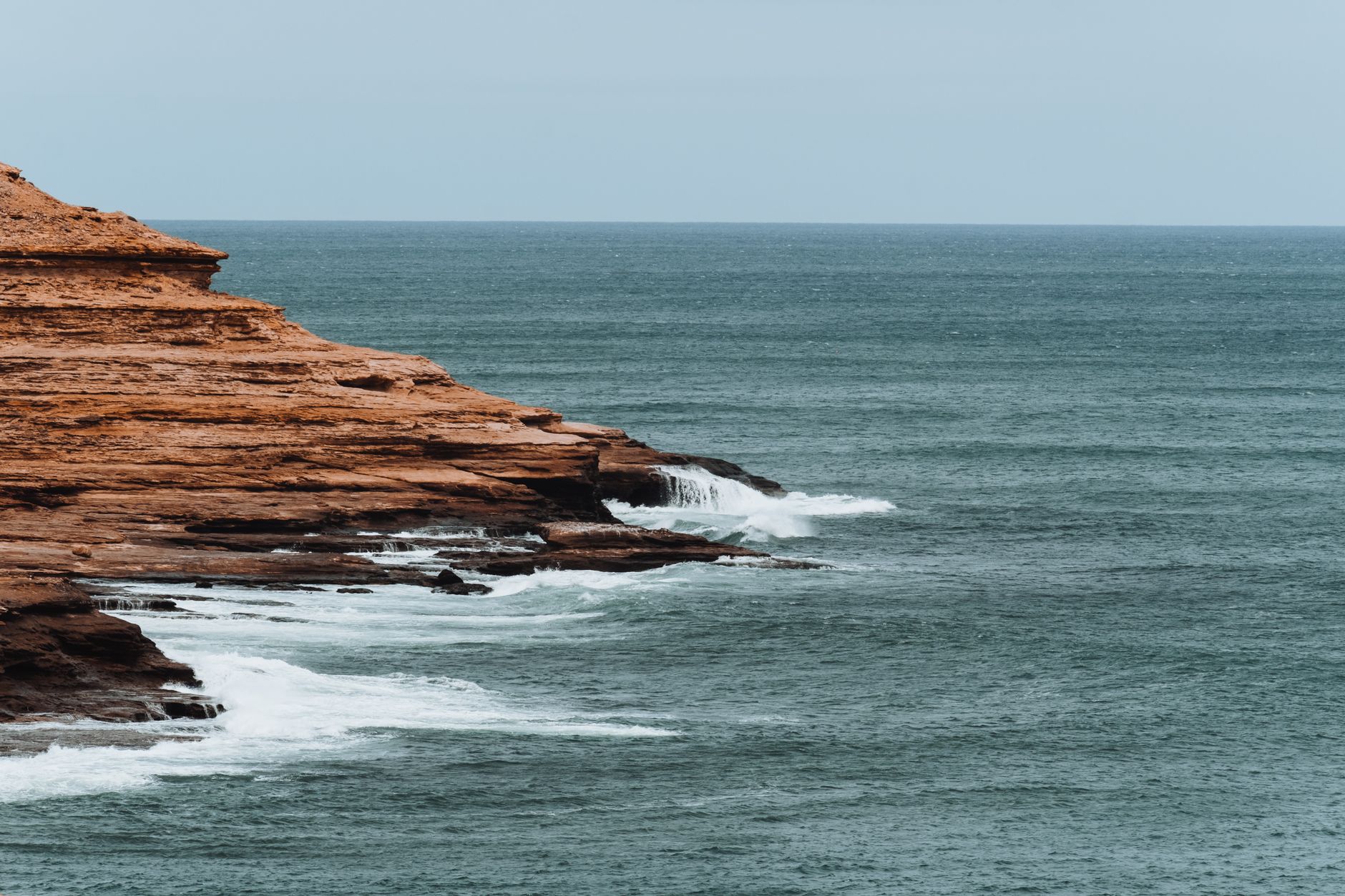
Balochistan is the biggest province in Pakistan and by far the least visited, and that is exactly what makes it magic. This is a land of empty turquoise beaches, wind-carved rock formations that look like science fiction, mud volcanoes you can climb, juniper trees older than the pyramids, and a coastline that feels like the edge of the world. It is also the most complicated part of the country to travel, with real rules and real risks. So this guide gives you the honest version: what is genuinely worth seeing, how to actually get there, and what you must know before you go.
Start here: is Balochistan safe, and can you even go?
Let us be straight with you, because this matters more than any view. Parts of Balochistan have a real, long-running security situation, and travel is controlled. Several foreign governments, including the UK, advise against travel to most of the province, so read the current official travel advisory before you plan anything at all.
What that means in practice:
- Foreign travellers almost always need a No Objection Certificate (NOC) on top of a valid visa, and independent travel is effectively not allowed. In reality you go with a licensed tour operator who arranges the permits and the security escort the authorities require. Your visa itself comes only from the official Pakistan Online Visa System, the one genuine e-visa portal.
- Pakistani tourists visit the main coastal sights, Kund Malir, Hingol and Astola, far more freely, usually as a weekend convoy out of Karachi. Even then you pass through army and Levies checkposts, so carry your CNIC and expect to register.
The coastal Makran belt near Karachi is the most accessible and by far the most visited slice of Balochistan. The interior, the border districts and much of the west are a different story and off the table for casual tourism. Plan around that honestly, and you can have one of the great trips of your life.
The Makran Coastal Highway
Almost every Balochistan trip runs along one incredible road. The Makran Coastal Highway, the N-10, hugs the Arabian Sea for around 653 km from Karachi all the way to Gwadar, and since it opened in 2004 it has cut the drive to six or seven hours. It is smooth, dramatic and almost empty, threading between the sea on one side and raw desert mountains on the other. Driving it is the single best thing you can do in the province, and most of the highlights below sit right off it.
Hingol National Park
About 190 km from Karachi, roughly three and a half hours along the highway, you reach Hingol National Park, one of the largest national parks in Pakistan at around 6,190 square kilometres. This is the heart of a Makran trip, and it packs an unreal amount into one stretch of coast and desert.
- The Princess of Hope. A tall, slender rock pillar that looks uncannily like a woman gazing out over the plain. The actress Angelina Jolie named it on a 2002 visit, and it has been the face of the park ever since. There is a good backstory on its Wikipedia page.
- The Balochistan Sphinx. A little further on near Buzi Top, a natural rock formation with the paws and headdress of a giant sphinx, so symmetrical that people genuinely argue about whether nature made it alone.
- The mud volcanoes. Hingol has clusters of them. The most famous, Chandragup, rises a few hundred feet and gently burps cold grey mud. It is sacred to Hindus, who climb it as part of the pilgrimage to the nearby Hinglaj Mata Mandir, one of the most important Hindu temples in Pakistan and the site of the yearly Hinglaj Yatra.
- Kund Malir. The beach everyone comes for, a curve of pale sand meeting turquoise water with desert cliffs behind. It sits about 150 km along the highway and is the classic overnight camping spot.
Astola Island
Off the coast near Pasni lies Astola Island, Pakistan's largest offshore island and its first Marine Protected Area, declared in 2017. It sits around 39 km southeast of Pasni, and you reach it by hiring a fishing or speed boat from Pasni harbour, a crossing of roughly two to five hours depending on the sea. The reward is clear water, snorkelling, nesting green turtles and total isolation, with just a scatter of tents for the night. You must register with the local authorities in Pasni first, and you can only go from October to March, because the monsoon swell makes the crossing impossible in summer. Go with an experienced boatman and check the sea forecast.
Gwadar
At the far western end of the highway sits Gwadar, the deep-water port city that anchors the China Pakistan Economic Corridor. Its hammerhead-shaped peninsula gives it two long bays, and the beaches and the view from the Koh-e-Batil ridge are genuinely beautiful. Gwadar is more of a why-not finale at the end of a long coastal drive than a destination in itself, and access can tighten at short notice, so keep it flexible.
Ziarat and the juniper forest
Up in the cool highlands about 130 km from Quetta, Ziarat is a completely different Balochistan, all crisp air and ancient trees. It holds the Ziarat Juniper Forest, the second largest juniper forest in the world, where some trees are thought to be 5,000 to 7,000 years old. Locals call them living fossils, and standing among them is humbling. Ziarat is also where the founder of Pakistan, Muhammad Ali Jinnah, spent the last months of his life in 1948, in the wooden colonial Quaid-e-Azam Residency, now a national monument that was attacked and burned in 2013 and has since been fully restored. In winter, Ziarat gets real snow.
Quetta and the highlands
The provincial capital, Quetta, sits in a ring of mountains at around 1,680 m and is the gateway to the interior. It is worth a stop for Hanna Lake just outside town, the dramatic Hazarganji-Chiltan National Park with its wild markhor, the fruit orchards, and some of the best sajji you will eat anywhere. Foreign access to Quetta is restricted, so it mostly appears on domestic itineraries.
When to go
Balochistan is really two climates. The Makran coast is best from October to March, when the days are warm and the sea is calm enough for Astola. Summers on the coast are brutally hot, and the sea closes for the monsoon. The highlands around Quetta and Ziarat flip it around, with April to October the pleasant window, blossom in spring, and snow and hard cold in winter. If you want the coast and Astola, come in the cooler half of the year.
How to get there and get around
Almost all coastal trips start in Karachi, which has Pakistan's busiest airport and sits right at the head of the Makran Coastal Highway. From there it is a self-drive or, far more commonly, a hosted 4x4 tour that handles the checkposts, the camping and the safety side. There is no public transport worth relying on for the sights, and you want a driver who knows the road and the registration drill. For the highlands you fly into Quetta and explore with a local operator. Either way, this is not a hop-on-a-bus kind of place.
Where to stay
On the coast, the honest answer is camping. Kund Malir and Astola are tents-on-the-beach affairs, usually set up by your tour, with your own sleeping bag and food carried in. There are basic rest houses and simple hotels in Ormara, Pasni and Gwadar, and Gwadar has a couple of proper hotels. Quetta has the widest choice of real hotels, and Ziarat has government rest houses and a few guesthouses. Come self-sufficient, and treat comfort as a bonus.
What to eat
Balochi food is built around slow fire and simple, brilliant ingredients. The star is sajji, a whole leg of lamb or a chicken marinated in little more than salt and slow-roasted upright beside the coals until it falls off the bone. Eat it with kaak, a hard stone-baked bread, and dampukht, meat cooked slowly in its own fat. Wash it down with sabz chai, the cardamom green tea that Baloch hospitality runs on. Along the coast you also get some of the freshest grilled fish in the country. Bohat mazedaar.
How many days you need
For the classic Makran coast loop from Karachi to Kund Malir and Hingol and back, give it two to three days. Add Astola and you want a fourth, sea permitting. Push all the way to Gwadar and it becomes a five to six day trip. The Quetta and Ziarat highlands are a separate two to three day trip of their own, usually flown into rather than driven.
Quick answers
Do foreigners need a permit for Balochistan? Yes. You need an NOC on top of your visa, and in practice you must travel with a licensed operator that arranges permits and security. Check the latest advisory first.
Can Pakistanis visit Kund Malir and Hingol freely? Largely yes, usually as a weekend convoy from Karachi, though you still pass army and Levies checkposts and should carry your CNIC.
When can you visit Astola Island? October to March only, by boat from Pasni, after registering locally. The summer monsoon shuts it.
How far is Kund Malir from Karachi? Around 190 km, roughly three and a half to four hours on the Makran Coastal Highway.
Is there anywhere to stay on the coast? Mostly camping at Kund Malir and Astola, plus basic hotels in Ormara, Pasni and Gwadar.
Written and fact-checked by the Pakistan Locals editorial team, with local hosts and guides who run the Makran coast. Last updated August 2026. Balochistan's security and permit rules change often, so always confirm the current position through the official advisory before you travel.
Sources and further reading
- UK FCDO, Pakistan travel advice
- Pakistan Online Visa System, the official e-visa portal
- Makran Coastal Highway (N-10)
- Hingol National Park, Wikipedia
- Princess of Hope
- Astola Island Marine Protected Area, Olive Ridley Project
- Astola Island
- Quaid-e-Azam Residency, Ziarat
- Ziarat Juniper Forest
Ready to explore Pakistan with local hosts? Browse trips and experiences on Pakistan Locals, and if you live in the region you can list your own experience or stay. First time in the country? Read our honest is Pakistan safe for tourists guide and what to eat in Pakistan next.
Questions people ask
Do foreigners need a permit for Balochistan?+
Yes. You need a No Objection Certificate (NOC) on top of your visa, and in practice you must travel with a licensed operator that arranges permits and security. Check the latest official travel advisory first.
Can Pakistanis visit Kund Malir and Hingol freely?+
Largely yes, usually as a weekend convoy from Karachi, though you still pass army and Levies checkposts and should carry your CNIC.
When can you visit Astola Island?+
October to March only, by boat from Pasni, and after registering with the local authorities. The summer monsoon makes the crossing impossible.
How far is Kund Malir from Karachi?+
Around 190 km, roughly three and a half to four hours along the Makran Coastal Highway.
Is there anywhere to stay on the Makran coast?+
Mostly beach camping at Kund Malir and Astola, plus basic hotels in Ormara, Pasni and Gwadar. Quetta and Ziarat have proper hotels and rest houses.
Pakistan Locals Team
The Pakistan Locals editorial team writes practical, on-the-ground travel guides to Pakistan, researched and fact-checked in consultation with our network of local hosts and guides.