Peshawar and the Gandhara Trail: The Old City, the Museum and Takht-i-Bahi

Pakistan Locals Team
9 August 2026 · 6 min read
At a glance
- Location
- Peshawar
- Region
- Khyber Pakhtunkhwa
- Best time
- October to March, when the plains are cool. Avoid the fierce May to August heat
- Duration
- 2 to 3 days, including a day trip to Takht-i-Bahi
Peshawar is one of the oldest cities in the world that has never stopped being a city. For more than two thousand years it has sat at the mouth of the Khyber Pass, the great gateway between Central and South Asia, and everyone from the Kushans to the Mughals to the British has left a mark on it. This is the Pashtun heartland, a place of ancient bazaars, extraordinary food, and a Buddhist past that produced some of the finest art in Asia. It asks a bit more of a traveller than Lahore or Hunza, and this guide is honest about that, but the reward is a city like nowhere else.
The old city
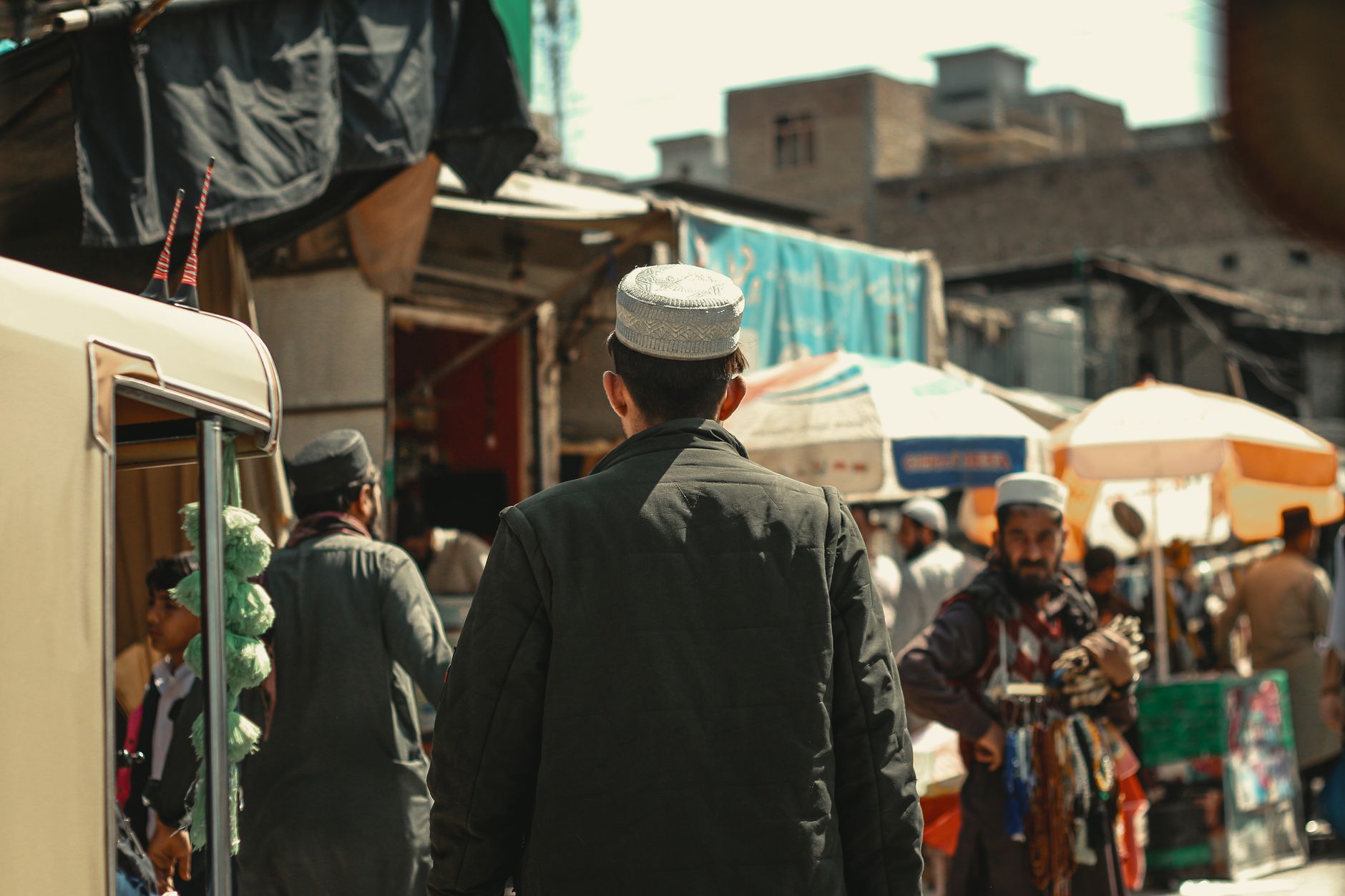
The soul of Peshawar is its walled old city, a warren of bazaars that have traded for centuries. The most famous is the Qissa Khwani Bazaar, the Storytellers Bazaar, where caravans once halted and professional storytellers entertained travellers over cups of green tea. That tradition of qehwa and conversation lives on in its tea houses. Wander out from Chowk Yadgar through the copper bazaar, the cloth bazaar and the dried-fruit market, and you get one of the great sensory experiences in Pakistan. Go with a local guide, both for the stories and for finding your way.
Mahabat Khan Mosque
Tucked into the bazaars stands the Mahabat Khan Mosque, a serene 17th-century Mughal mosque of white marble with a painted, frescoed prayer hall. Rising above the surrounding rooftops with its slim minarets, it is a pocket of calm in the middle of the trading chaos, and a reminder of Peshawar's Mughal chapter.
The Sethi houses
In the Mohallah Sethian quarter are the Sethi houses, the grand havelis of a 19th-century merchant dynasty who traded as far as Central Asia and Russia. One is now a museum. Their carved woodwork, coloured glass and cool underground rooms, the taikhanas built to escape the summer heat, show the wealth and craft of old Peshawar. They are among the most beautiful interiors in the country.
The Peshawar Museum and the Gandhara story
This is the reason many people come. Housed in the colonial Victoria Memorial Hall on GT Road, the Peshawar Museum holds one of the world's greatest collections of Gandhara art. Around the time of Christ, this region was the centre of a Buddhist civilisation that fused Greek artistic style with Buddhist subject matter, and produced the first human images of the Buddha. The galleries are full of these graceful grey-schist sculptures, taken from sites like Takht-i-Bahi and Sahri Bahlol. You can follow the wider story through the official Gandhara civilisation programme.
Takht-i-Bahi
About 80 km north of Peshawar, near Mardan, sits the finest Gandhara site of all: Takht-i-Bahi, a UNESCO World Heritage Site and one of the best-preserved Buddhist monasteries on earth. Founded in the 1st century and abandoned around the 7th, it stands on a hilltop, a complex of stupa courts, monks cells and assembly halls with sweeping views over the plain. Because it was never buried under a later town, it survived remarkably intact. It makes a perfect half-day or day trip, and is easy to combine with the drive in from Islamabad.
Bala Hisar Fort
The Bala Hisar, meaning elevated fort, has crowned the city since Kushan and Mughal times and now serves as a Frontier Corps headquarters, so access is limited. There is a museum within the complex, and the walls above the old city are a striking sight even from outside.
The food, which alone is worth the trip
Peshawari food is legendary. Head to Namak Mandi, the famous meat market, for tikka and karahi cooked over charcoal and served with fresh naan, and for the city's signature chapli kabab, a big, spiced, flat minced-meat patty fried in its own fat. Finish, as Peshawaris do, with a cup of green qehwa. It is some of the best meat cookery in the country, and shockingly cheap.
The Khyber Pass, honestly
Everyone wants to see the Khyber Pass, and it is worth being clear. For security reasons, foreign tourists cannot travel freely along it. You need special permission and a security escort, and most visitors only reach the Khyber Gate at Jamrud on the city edge. Beyond that, toward Landi Kotal and the Torkham border, is a sensitive frontier zone that is not open to casual tourism.
Is Peshawar safe?
Here is the straight answer. Peshawar went through very hard years and has become much calmer, and domestic travellers and a trickle of foreigners now visit the old city and the museum without trouble, ideally with a local guide. That said, incidents do still occur, and the tribal districts along the Afghan border remain genuinely dangerous and off-limits. Several governments, including the UK, advise caution or against travel to parts of Khyber Pakhtunkhwa, so read the current official advisory and take local advice before you go.
When to go
Come in the cool half of the year, October to March. The plains around Peshawar are searingly hot from May to August, so the winter months are far more comfortable for wandering the bazaars and standing out at Takht-i-Bahi.
Getting there and staying
Peshawar is an easy two-hour drive from Islamabad on the M-1 motorway, and has its own airport. Most travellers base themselves in the calmer Cantonment or University Town areas, where the better hotels and guesthouses are, and head into the old city and out to Takht-i-Bahi from there. A trusted local driver or guide makes the whole thing smoother.
Quick answers
Is Peshawar safe? The city, old bazaars and museum are generally visited safely with normal caution and a local guide, though the border districts are not. Check the current advisory.
Can you visit the Khyber Pass? Only with special permission and an escort, and not the full pass. Most people see only the Khyber Gate.
What is the must-see? The Peshawar Museum Gandhara collection and the Takht-i-Bahi monastery.
How many days? Two to three, including a day trip to Takht-i-Bahi.
Written and fact-checked by the Pakistan Locals editorial team, with hosts and guides in Khyber Pakhtunkhwa. Last updated August 2026. Security and access in this region change, so always confirm the current position before you travel.
Sources and further reading
- Takht-i-Bahi (UNESCO World Heritage Site)
- Peshawar Museum and its Gandhara collection
- Qissa Khwani Bazaar, Wikipedia
- Mahabat Khan Mosque
- Gandhara civilisation, Wikipedia
- UK FCDO, Pakistan travel advice
Explore Khyber Pakhtunkhwa with local hosts on Pakistan Locals, or host travellers in your area. Heading north afterwards? Read our Chitral guide and Swat and Kalam guide.
Questions people ask
Is Peshawar safe to visit?+
Peshawar city itself is visited by domestic and some foreign travellers, and the old city and museum are generally fine with normal caution and a local guide. Security has improved from its worst years but incidents still happen, and the districts along the Afghan border are dangerous and restricted. Always read the current official travel advisory first.
Can tourists visit the Khyber Pass?+
Not freely. Foreigners need special permission and a security escort, and travel along the full pass is not permitted for tourists. Most people only see the Khyber Gate at Jamrud.
Do you need a permit for Takht-i-Bahi?+
No. The Takht-i-Bahi monastery near Mardan is open to visitors with a small entry fee and needs no special permit.
What is Peshawar famous for?+
Its ancient bazaars, Gandhara Buddhist heritage, the Peshawar Museum, and its food, above all chapli kabab, karahi and green qehwa tea.
Pakistan Locals Team
The Pakistan Locals editorial team writes practical, on-the-ground travel guides to Pakistan, researched and fact-checked in consultation with our network of local hosts and guides.