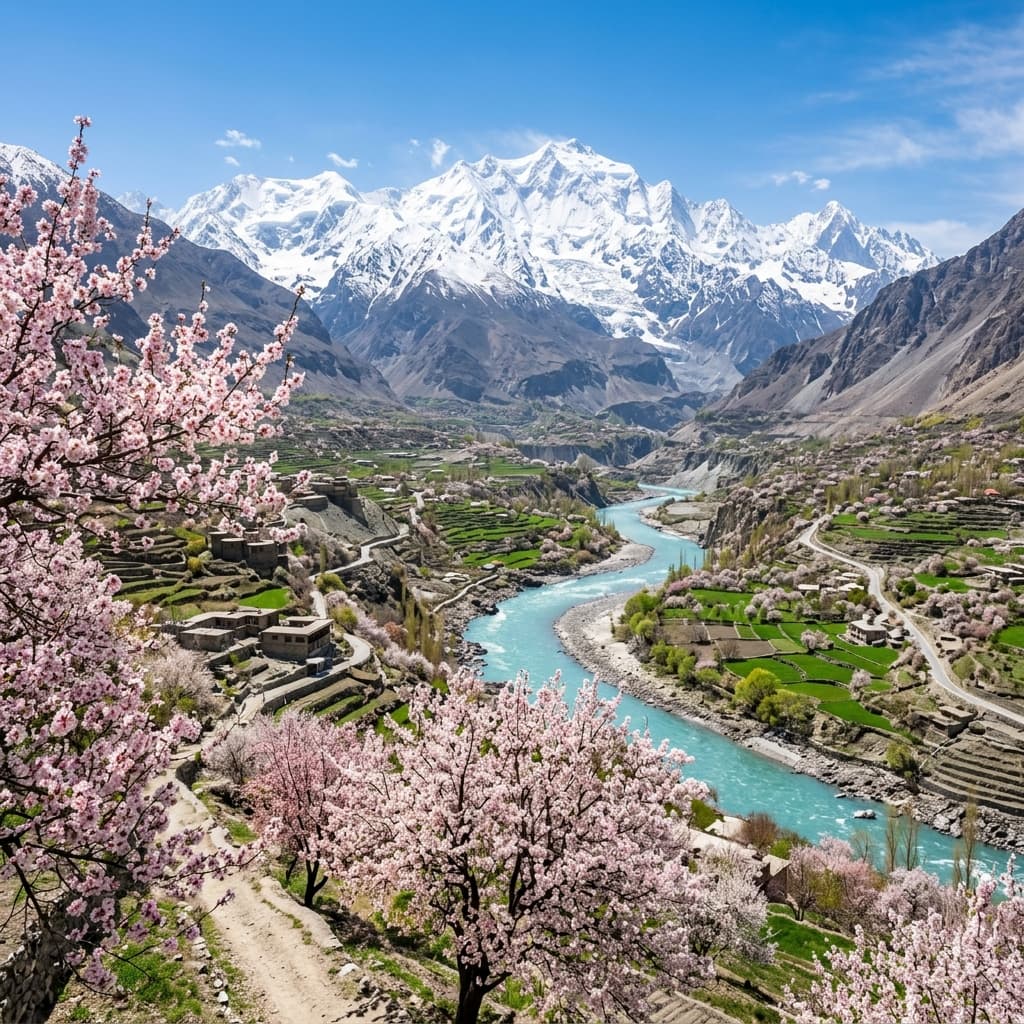
Naran Kaghan
The Kaghan Valley's summer capital — Saif-ul-Malook, Babusar Top, Lulusar Lake and the Kunhar River, all within reach of Naran bazaar.
Why visit Naran Kaghan
The Kaghan Valley is Pakistan's summer institution. Every June the bazaar at Naran wakes up, the jeeps line up for Saif-ul-Malook, and half the country seems to arrive for glacier-fed lakes, trout, and mountain air within a day's drive of the Punjab plains.
The valley runs from Balakot up the Kunhar River through Kaghan to Naran (about 2,400 m), then climbs past Lulusar Lake to Babusar Top at 4,173 m — the dramatic shortcut to Chilas and the Karakoram Highway that opens for roughly three months each summer. Off the main road, Shogran's meadows and the jeep track to Siri Paye give the valley its second act.
It is also the most seasonal major destination in the country: what is a traffic jam in late July is a snowed-in ghost town by January. Timing, and a host who knows the valley's rhythms, decide the whole trip.
Getting there
From Islamabad it is roughly 260 km and six to eight hours: Hazara Motorway (E-35) to Mansehra, then the N-15 through Balakot and Kaghan to Naran. The road is paved throughout; the last hours are slow mountain miles, slower still on summer weekends.
Babusar Top (July–September, weather permitting) continues the road north to Chilas — which makes Naran the favourite first night of Hunza and Skardu road trips in high summer.
Things to do in Naran Kaghan
Lake Saif-ul-Malook
The fairy-tale lake at 3,224 m beneath Malika Parbat. Jeeps run the rough 40-minute track from Naran bazaar; go at first light to beat the crowds and catch still water.
Babusar Top
The 4,173 m pass at the head of the valley, usually open July to September. Even as a half-day return from Naran the views over Lulusar and the switchbacks are worth it. Carry warm layers; it can snow in August.
Lulusar Lake
The long alpine lake the Kunhar rises from, right beside the Babusar road — an easy stop, best in morning light before the wind.
Shogran & Siri Paye
Green plateau meadows reached from Kawai (south of Kaghan): drive to Shogran, then jeep up to the Siri Paye meadows at ~3,000 m. Frequently cloud-wrapped, always worth it.
Kunhar River rafting & trout
Commercial rafting runs near Naran in season, and the Kunhar's trout ends up pan-fried in half the bazaar's kitchens — order it fresh.
Ansoo Lake trek (for the fit)
The famous tear-shaped lake, reached by a demanding day trek beyond Saif-ul-Malook in high summer only. Take a local guide; the weather closes fast.
What a trip costs
| Guesthouse room (double, per night) | PKR 4,000 – 12,000 |
| Hotel in Naran (July–August peak) | PKR 12,000 – 35,000 |
| Jeep to Saif-ul-Malook (per jeep, return) | PKR 5,000 – 9,000 |
| Jeep to Siri Paye from Shogran | PKR 6,000 – 10,000 |
| Boating at Saif-ul-Malook | PKR 1,500 – 3,000 |
Typical 2026 ranges; jeep rates are negotiated per vehicle at the stand and spike on peak weekends. Prices in the valley drop sharply in June and September — the smart months.
Where to stay
Naran bazaar has the bulk of the hotels and all the jeep stands — convenient, loud in peak season. Kaghan and Khanian downstream are calmer; Shogran is the choice if meadows matter more than restaurants. In July–August book before you drive up: the valley genuinely fills.
Experiences in Naran Kaghan
Search, filter by category, and browse everything in the area
No experiences listed yet
We are still onboarding local hosts in Naran Kaghan. Check back soon — or explore other destinations.
Travel guides
Reading for Naran Kaghan
Detailed, local guides to help you plan before you book
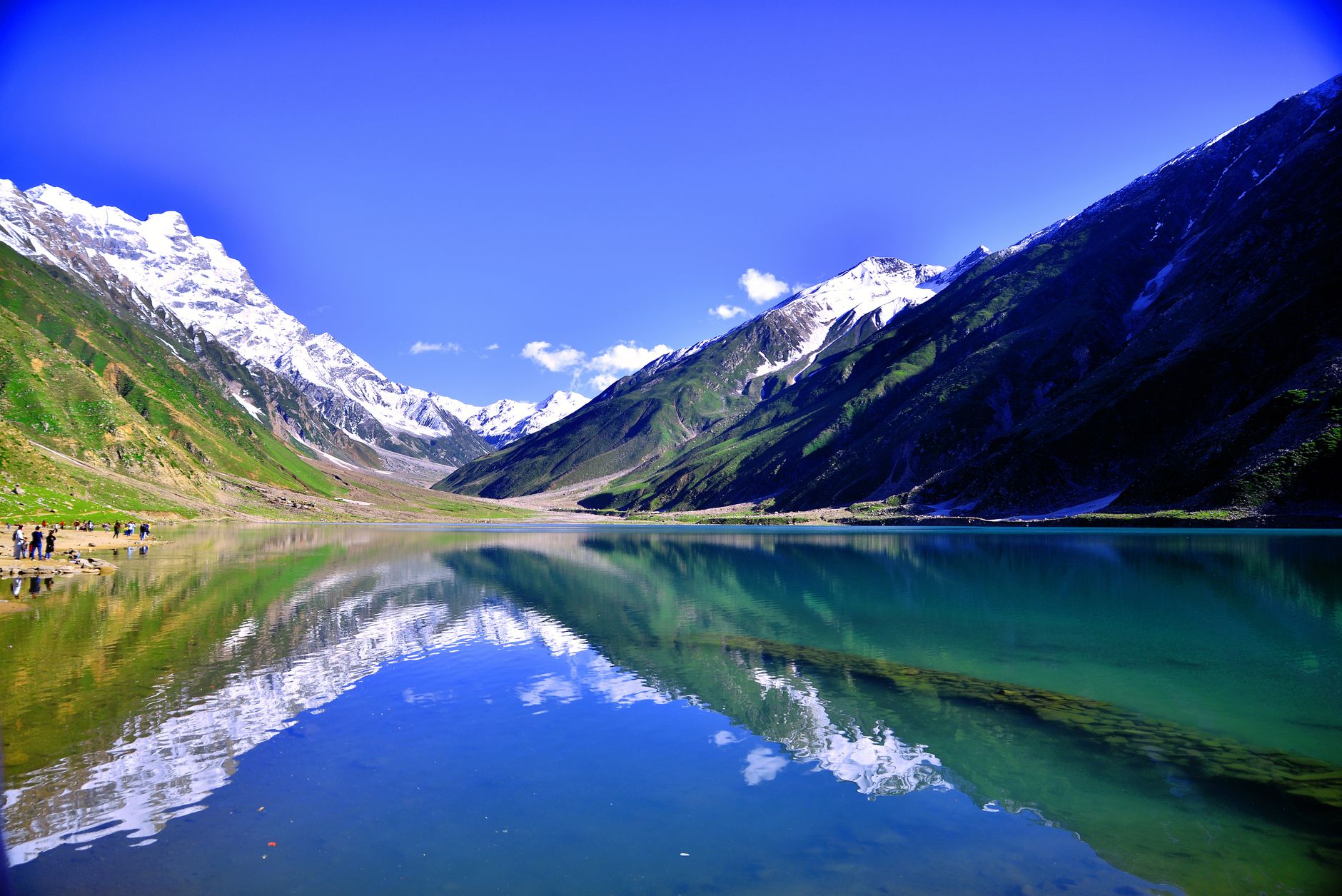
Place / Location guide
Naran and Kaghan Itinerary: The Perfect 3 to 4 Days
The Kaghan valley packs alpine lakes, meadows and a high pass into a short summer trip. Here is a day-by-day Naran and Kaghan itinerary for 3 to 4 days, from Shogran to Lake Saif ul Malook and Babusar Pass, with when to go.
Read guide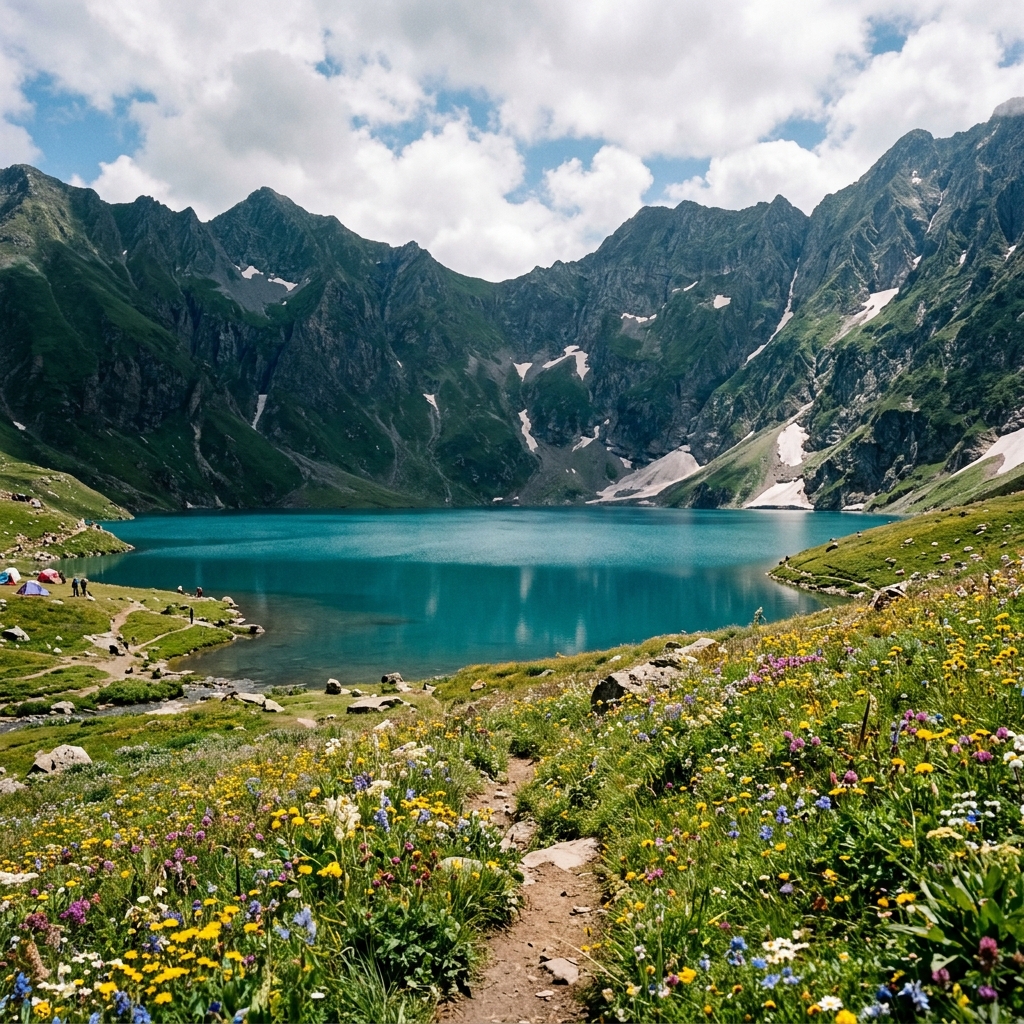
Place / Location guide
What a Naran Trip Actually Costs: Honest 2026 Budgets
The classic 3-day Naran trip priced honestly: hotels by season, the Saif-ul-Malook jeep math, food, fuel and the weekend premium nobody warns you about, across three budgets from student trip to comfort-first.
Read guide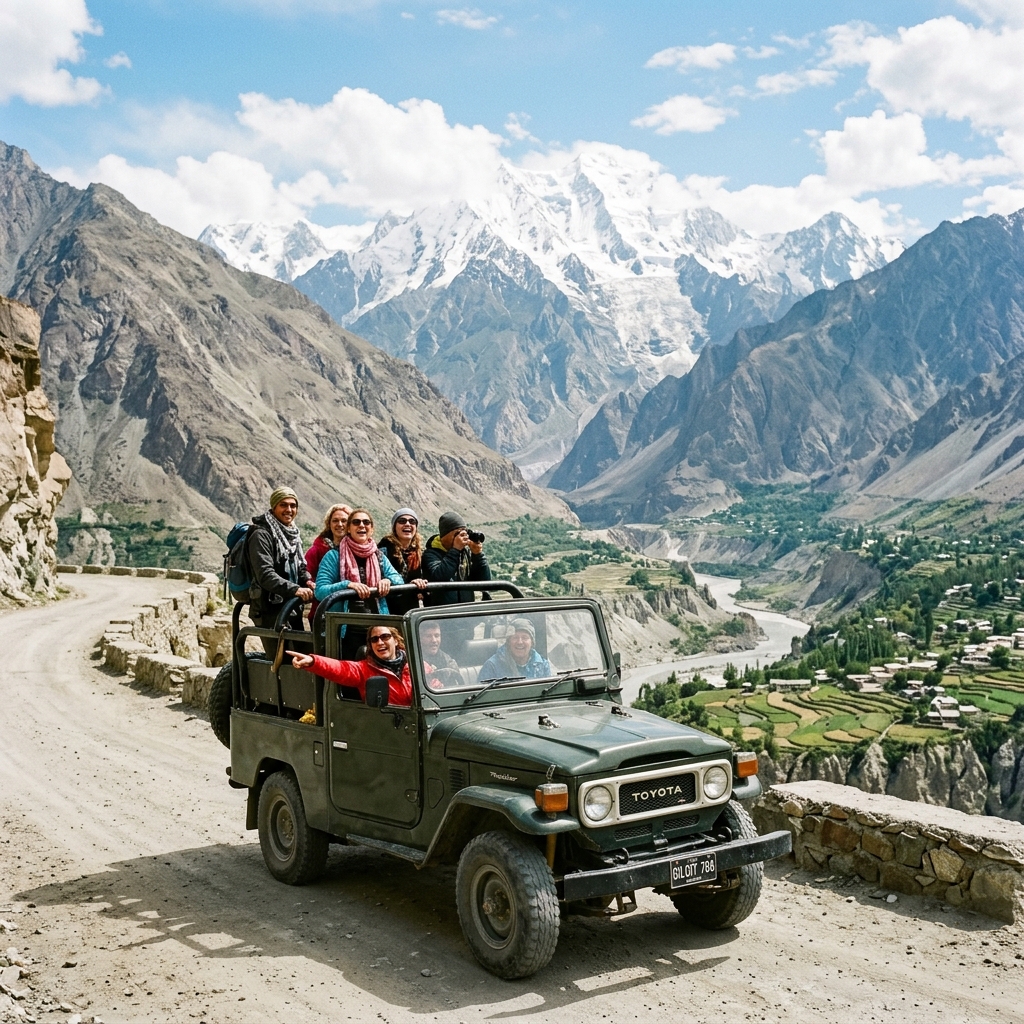
Investment opportunity
Become a Host in Naran: A Short Season Rewards the Pre-Booked
Naran hosts the biggest tourist wave in Pakistan for barely four months, and the difference between a good year and a wasted one is the empty midweek and shoulder-season dates. For the valley’s hoteliers, jeep drivers and cooks: how direct listings fill the gaps.
Read guide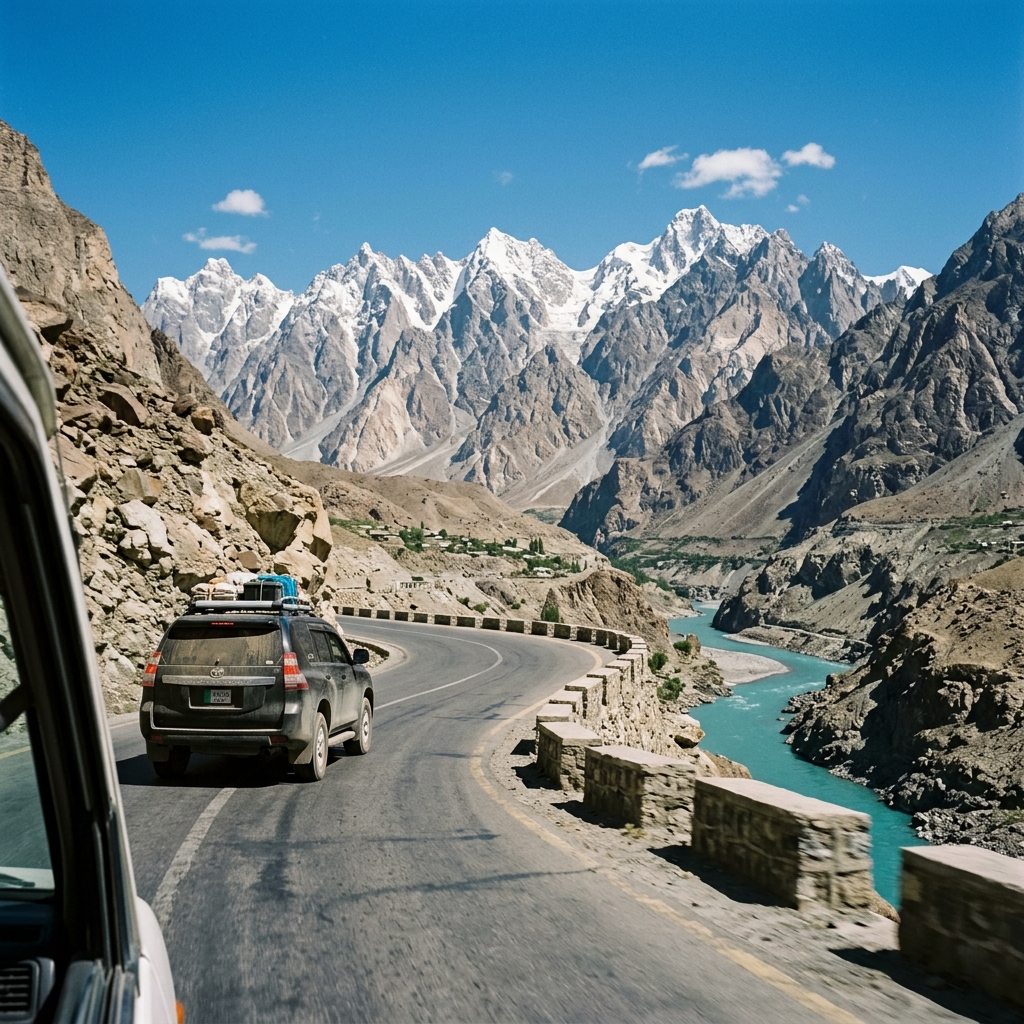
Place / Location guide
Babusar Top Guide: Crossing the 4,173 m Roof of Kaghan
The highest point most Pakistani road trips ever reach connects Naran to the Karakoram Highway for three months a year. When the pass opens, how the crossing works, what to expect at 4,173 metres, and the mistakes that turn the best drive of the summer into a long day.
Read guide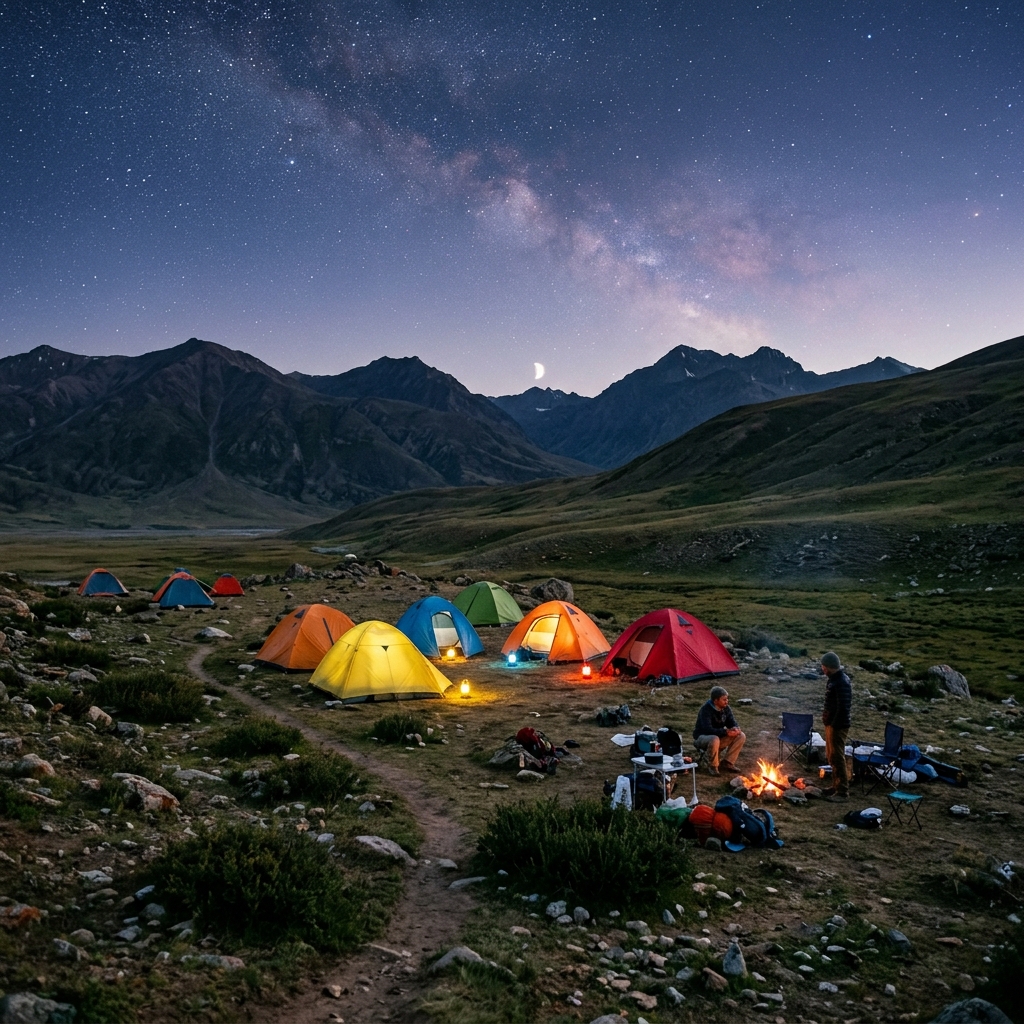
Place / Location guide
Shogran & Siri Paye Guide: Meadows Above the Kaghan Valley
Shogran is the Kaghan Valley’s easiest escape: a forest plateau at 2,360 metres, one steep road above Kiwai, with the Siri Paye meadows waiting a jeep ride higher. How to get there, what the jeep costs, where to stay and the months that matter.
Read guide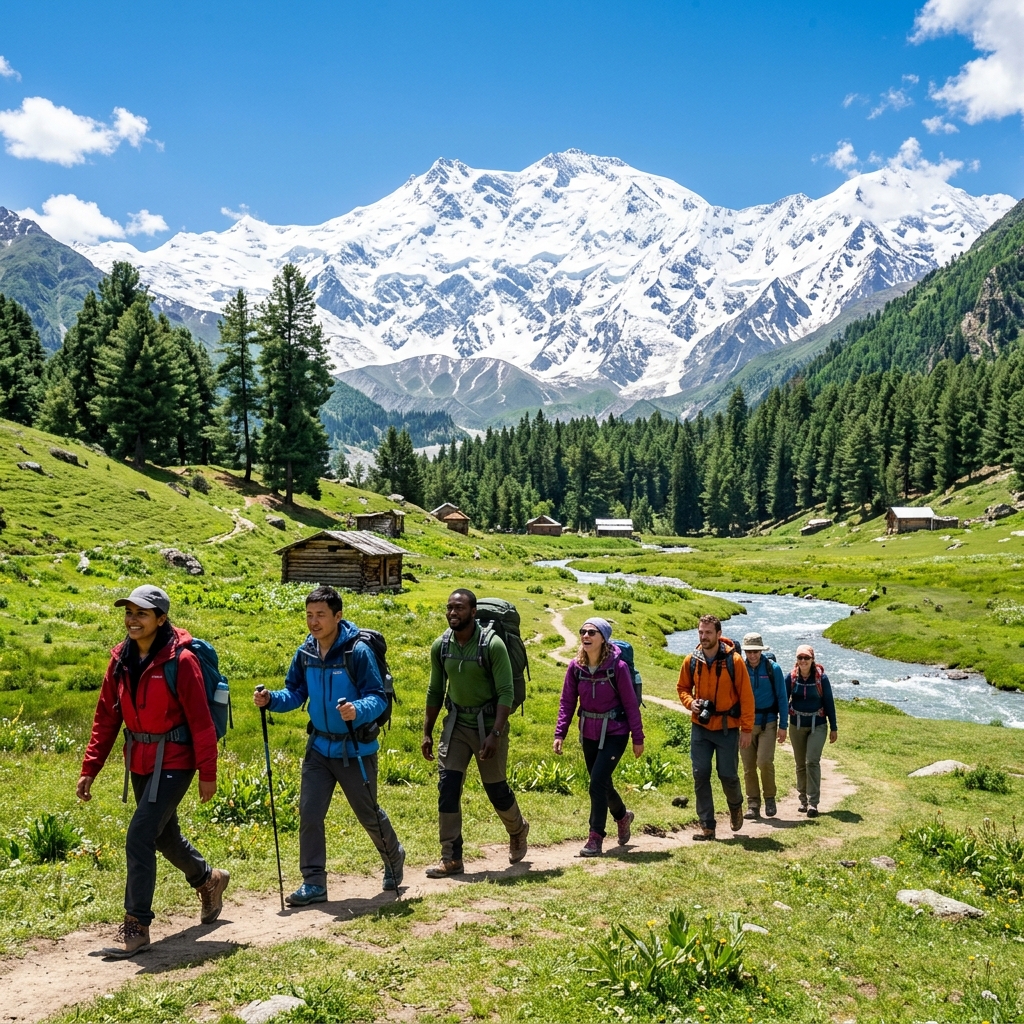
Place / Location guide
Kaghan Valley Travel Guide: Every Stop From Balakot to Babusar
The Kaghan Valley is 155 km of river, forest and high mountain running from Balakot to the 4,173 m Babusar Top. This guide walks the whole road, stop by stop: Shogran, Sharan, Naran, Saif-ul-Malook, Lulusar and Babusar, with honest timings, costs and the months that actually work.
Read guide☀️
Best Time to Visit Naran Kaghan
✓ Best:June – September
⚠ Avoid:November – April (road closed beyond Kaghan)
Babusar Top opens roughly July–September. June and September have the same valley with half the crowds and better prices.
Naran Kaghan — quick answers
When is the best time to visit Naran Kaghan?+
June to September. Babusar Top and Ansoo Lake need high summer (July–September); June and September offer the same valley with fewer people and better prices.
Is Naran open in winter?+
No — heavy snow closes the road beyond Kaghan and the bazaar largely shuts from roughly November to April. Shogran stays reachable longer than Naran itself.
How far is Naran from Islamabad?+
About 260 km — six to eight hours via the Hazara Motorway to Mansehra and the N-15 through Balakot, longer on summer weekends.
Do I need a jeep in Naran?+
For Saif-ul-Malook and Siri Paye, yes — the tracks are rough and only local 4x4s run them. The main N-15 road itself is fine for ordinary cars in season.
Can I cross Babusar to Hunza or Skardu?+
In high summer, yes: Babusar Top connects Naran to Chilas on the KKH, cutting the classic route north. It generally opens July to September, weather permitting.
Are you a guide or host in Naran Kaghan?
Travellers are searching for Naran Kaghan right now. List your tours, treks, kitchen or homestay free — direct bookings, weekly payouts, and we help you onboard.
Not finding what you need? Search on map · All destinations · Browse categories